
 Instagram
  LinkedIn
  Twitter
  My Account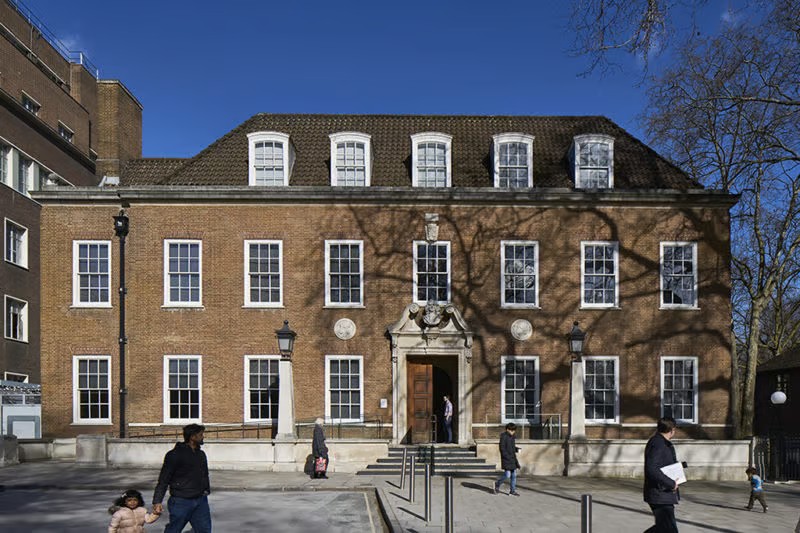
‘How Access & Benefit Sharing is changing the landscape for ownership in Natural History Collections’, Lucy Ellis, Senior Registrar, Natural History Museum
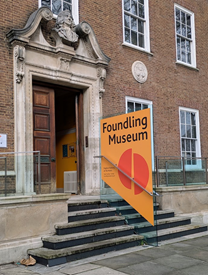
At the recent UKRG event at the Foundling Museum, Lucy Ellis from the Natural History Museum provided a detailed overview of Access and Benefit Sharing (ABS) and explained how this can impact museums caring for collections with genetic material.
The session opened by outlining the two major international conventions that form the basis of Access and Benefit Sharing: the Convention on Biological Diversity (CBD) and the Nagoya Protocol. She explained that the CBD, adopted in 1992, recognises a nation’s sovereign rights over animals, plants, and genetic resources found within its borders. Any external party seeking access/use must therefore respect these sovereign rights. The CBD establishes principles for the sustainable use of biodiversity and the protection of traditional knowledge.
The Nagoya Protocol, which strengthens the CBD, provides clearer legal guidance on how access to genetic resources should be managed. The protocol does not aim to restrict access but to ensure it occurs responsibly through two core mechanisms:
- PIC: Prior Informed Consent
- MAT: Mutually Agreed Terms
Each provider country has developed its own systems to implement these principles, including designating a National Authority or Focal Point, embedding ABS requirements in national legislation, and producing standard PIC and MAT documentation. Because each country’s approach differs, user countries often face challenges navigating different procedures and templates.
You might not think this would affect museum collections. However, Lucy did clarify that ABS can be implemented retroactively and to material that has already left a country’s territory (Ex-Situ). In some cases, even long‑held museum objects may be subject to ABS retrospectively. Although UK legislation does not currently require retroactive permissions for using ex situ material, the UK guidance does recommend that user organisations seek them. This means museums may need to obtain PIC and MAT for activities such as loans, transfers, or scientific analysis of genetic material, even when that material may have been in the museum’s collections for decades.
There is a broad range of material that can fall under ABS, such as animals, plants, molecular samples, blood, DNA, and in some cases human tissue. She also noted that interpreting timelines can be difficult, as some countries—India being a key example—have earlier legislation that effectively backdates ABS obligations.
The greatest area ABS can impact on managing museum collections is new acquisitions. Countries of origin may use their sovereign rights to negotiate benefits, meaning traditional “simple” acquisitions are increasingly rare. Lucy described examples where standard Transfer of Title agreements were adapted with MAT, or documents were amended to ensure any commercial use of material would require additional permissions.
Research loans may also constitute “use,” prompting the NHM to revise its loan processes by categorising material according to ABS relevance and developing template documentation for different research scenarios. Lucy concluded by addressing the challenges of recording ABS‑related restrictions in the museum’s current Collections Management System (CMS). Due to limitations in the current CMS, the NHM plans to introduce a new ABS Rights and Restrictions record type in the new CMS to ensure all relevant information can be clearly documented and accessible in the future.
Overall, this session underscored how Access and Benefit Sharing is reshaping the responsibilities of museums, requiring greater transparency, documentation, and collaboration with countries of origin.
Blog by Sophie Keepence, Assistant Registrar, Science Museum Group
Cover Image: The Foundling Museum, London. Credit: Photograph GG Archard