Instagram
 LinkedIn
 Twitter
 My Account
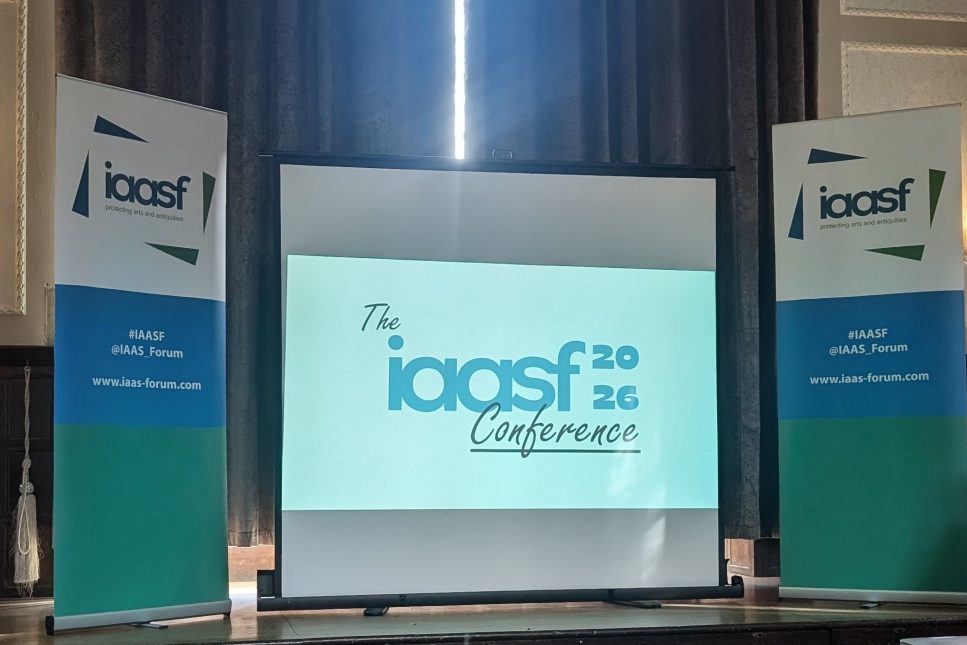
A summary blog by Delphine Charpentier, attendee at the IAASF Conference 2026
PROTECTING CULTURAL AND HERITAGE VENUES IN TIMES OF ECONOMIC UNCERTAINETY
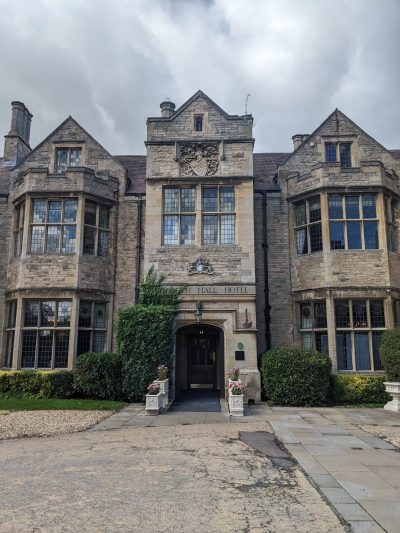
Redworth Hall Hotel, County Durham
8/9 September 2026
The 2026 International Arts & Antiquities Security Forum (IAASF) conference focused on how cultural and heritage organisations can keep people, buildings and collections safe during a period of economic uncertainty. Across the two days, speakers looked at practical challenges the sector is facing right now — from reduced funding and skills shortages to climate pressures, cyber threats and geopolitical instability. A lot of the discussions came back to resilience, collaboration and making realistic choices.
MAIN THEMES
Heritage as something living, not just preserved
The keynote highlighted that heritage is not only about protecting objects or buildings. It plays a role in community pride, wellbeing and local economies. Access to culture is still uneven, and “opening the doors” is not enough: people need confidence to engage. Several speakers stressed that heritage must stay meaningful and relevant if we want future generations to care for it.
Economic and global pressures changing the risk landscape
Professor Lisa Mol explained how geopolitical volatility, climate change, disrupted tourism and reduced skilled labour are affecting heritage worldwide. Many sites rely on income streams that are no longer stable. Sustainability needs to be understood more widely: reducing risks, investing in skills, changing expectations, and sometimes accepting controlled losses when resources are limited. Heritage should be seen in its wider landscape and community context, not as isolated sites.
Heritage in conflict zones
The session on Ukraine showed how cultural sites and heritage workers are directly impacted by war. Ukraine has made culture part of its national priorities, but funding is understandably focused on survival. External support is essential, and rapid‑response initiatives (“heritage ambulances”) are making a difference. Heritage can support recovery through reconstruction, tourism and international partnerships.
Fire, cyber and theft: everyday risks that are increasing
Several talks focused on practical security risks.
- Fire risk requires constant assessment, training and shared responsibility.
- Cyber threats are rising, especially phishing and supply‑chain attacks.
- Museums thefts have increased, mostly targeting small valuable objects during opening hours.
Speakers encouraged layered security, regular checks, and better staff awareness.
Conservation standards under pressure
Claire Fry challenged long‑standing environmental standards (RH/temperature), explaining that many are based on outdated interpretations and are expensive to maintain. A more flexible, building‑specific approach may be more realistic, especially with rising energy costs. Basic maintenance (gutters, leaks, etc.) often has a bigger impact than strict climate control. The sector needs to be more comfortable with risk‑balanced decisions.
Stewardship and long‑term thinking
Amanda Gerry’s talk focused on stewardship rather than simple preservation. Case studies showed how occupation, community use and relevance help protect heritage. Delaying investment increases risks and reduces future choices. She introduced practical frameworks (the 6 P’s, the investment priority pyramid) to help organisations decide what to prioritise.
Financial strategy and organisational resilience
Speakers discussed how organisations can stay resilient when budgets are tight.
- Free access can be a strategic choice to maintain community engagement.
- Enterprise should be built into planning from the start, not added afterwards.
- Collaboration between organisations can reduce duplication and strengthen shared infrastructure.
Resilience is not only about buildings and collections — it includes people, governance and culture.
Emergency planning as something active, not just a document
Helen Hinds emphasised that emergency plans need to be used, tested and updated. Capability comes from training, clear roles, and regular exercises. Crisis leadership involves preparation, mitigation, response and recovery. Resilience is visible in everyday practice, not just in paperwork.
People as the core of security
Several speakers reminded that staff, volunteers and contractors are the most important security resource. Training builds confidence and shared responsibility. A strong security culture helps organisations respond better to both everyday incidents and major crises.
OVERALL TAKEAWAYS
The conference showed that the heritage sector is dealing with many pressures, but also full of practical ideas and commitment. Protecting heritage during economic uncertainty requires:
- Long‑term investment in skills, maintenance and community engagement
- Adaptation to changing risks (environmental, digital, physical, geopolitical)
- Collaboration across organisations
- Pragmatic decision‑making and acceptance that not everything can be protected equally
- A resilience culture that involves everyone, not just security teams
Heritage survives when it stays relevant, is used and cared for. The key message was that the decisions we make today will shape what choices remain tomorrow.
Summary by Delphine Charpentier, Registrar, National Trust for Scotland