
 Instagram
  LinkedIn
  Twitter
  My Account
‘Another Brick in the Wall: From Constraint to Catalyst‘, Blog by Sara Mittica
I was very pleased to attend the UK Registrars Group event at the Royal Armouries in Leeds on 29 April 2026. Set against a lovely sunny Leeds afternoon, the event explored the theme Another Brick in the Wall: From Constraint to Catalyst – the Evolving Role of the Museum Building and brought together a wide range of perspectives on how museum and heritage buildings shape the way we care for, manage and share collections.
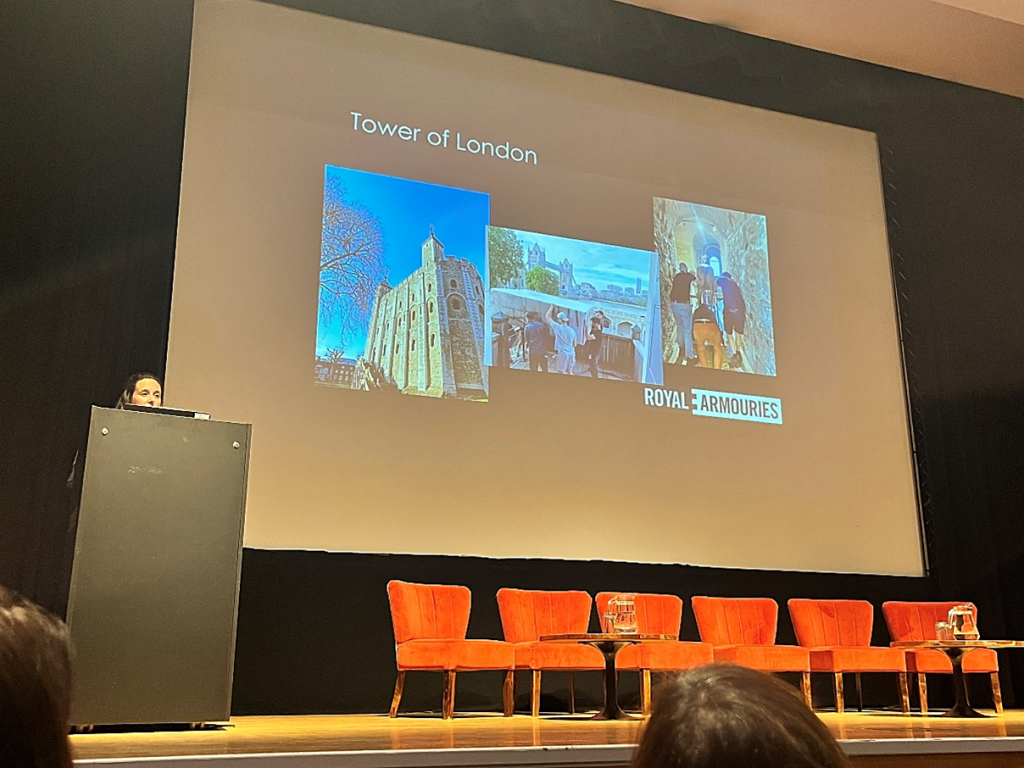
The afternoon opened with introductions from Laura Bell, Director of Collections, Learning and Research at the Royal Armouries, followed by a presentation from Jen Kaines, Head of Collection Services. Their case study of the Royal Armouries was a really interesting reminder of just how complex the relationship between buildings, collections, access and regulation can be. They reflected on the realities of working across very different sites, including Leeds, the White Tower at the heart of the Tower of London, and Fort Nelson, and on the challenge of managing collections in spaces that were never designed as museums. Particularly striking were the tensions between public access, safety, legal requirements and the physical limitations of historic buildings, and the need to take a pragmatic approach in sites that are busy, open and active.
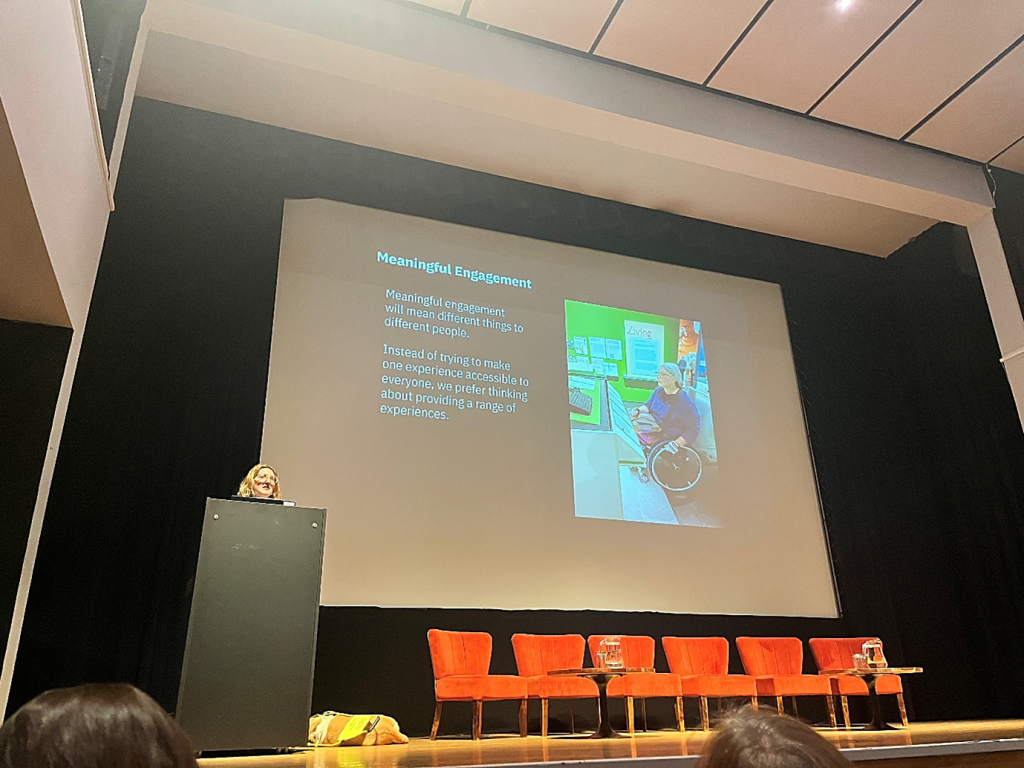
This was followed by a thought-provoking talk from Poppy Levison of DisOrdinary Architecture, who challenged us to think beyond compliance-led ideas of accessibility. Drawing on work including the Design and Disability exhibition at the V&A, she spoke about moving away from a model that treats disability as a problem to be solved, and instead focusing on the barriers created by spaces, systems and assumptions. One of the most memorable points for me was the idea that everyone has access needs, but only some of those needs are routinely met by what is already provided.
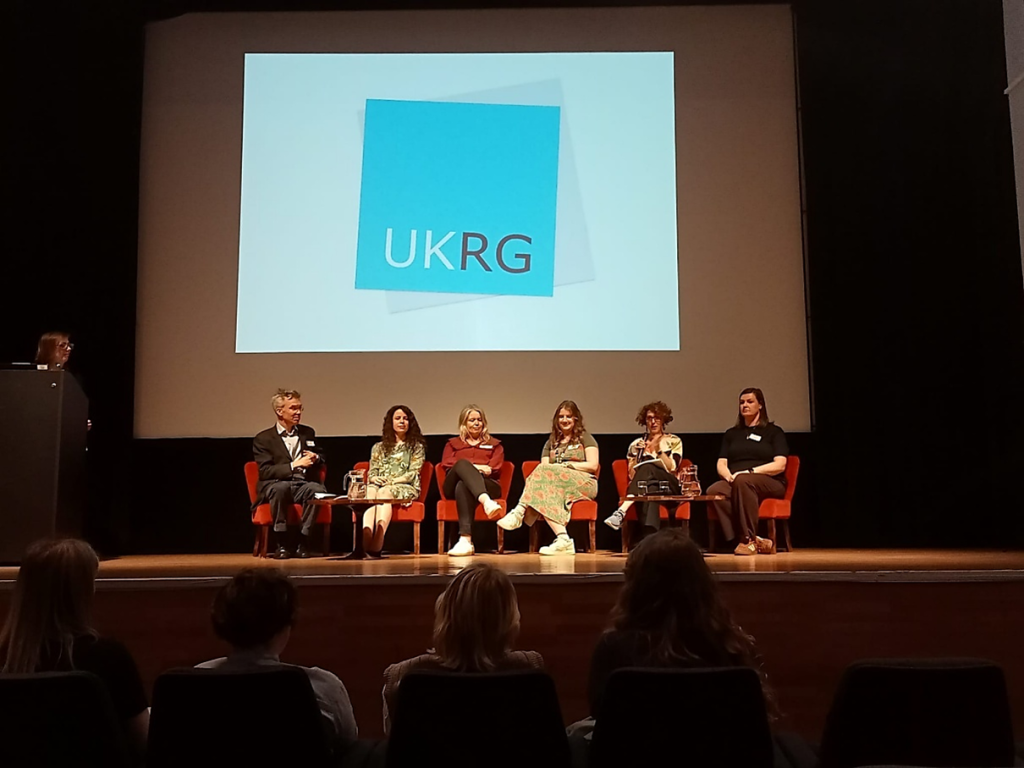
I was then invited to take part in the panel discussion, alongside colleagues from the Garden Museum, Royal Armouries, Gallagher Insurance and Arts Council England. The conversation covered a broad but connected set of themes, beginning with the working environment for staff and what it means to create healthy, sustainable spaces in buildings that are often complex, constrained or historically layered. From there, the discussion widened to consider how collections teams navigate estate-led or commercial pressures, and how questions of risk, access, public use and organisational responsibility increasingly intersect. The question of Martyn’s Law also brought in a wider conversation about security, preparedness and the potential for incidental damage arising from unrest in particular places.
Across all of this, one of the clearest messages was our crucial roles: not simply in administering process, but in making complex activity possible by translating policy into practice, balancing competing needs, and helping organisations work responsibly and pragmatically within the limits of their buildings.
What made the afternoon especially valuable was the chance to hear these issues discussed from so many different angles, without losing sight of the practical realities behind them. It was an engaging and well-organised event, and a very welcome opportunity to reflect on how buildings can be both a constraint and a catalyst in collections work.

Blog by Sara Mittica, Senior Collections Manager, English Heritage
© Sara Mittica